Mon 09 March 2026
The Moderate Take
Economics and politics are determined by the most compelling stories and occasionally it is hit by reality. This is one of the challenges when following reactionary discourses on platforms like Linkedin, Reddit and Twitter.
When advice comes from board members and VCs I am reminded that they scroll the same threads on reddit that I do. Their opinion is often shaped by the highest voted comment in these forums.
Unfortunately we aren't gripped by stories that are filled with the context and the caveats that exist in the real world and this has shifted us into more extreme political leanings. Why should we fill our content with details when this jeopardizes the opportunity of going viral.
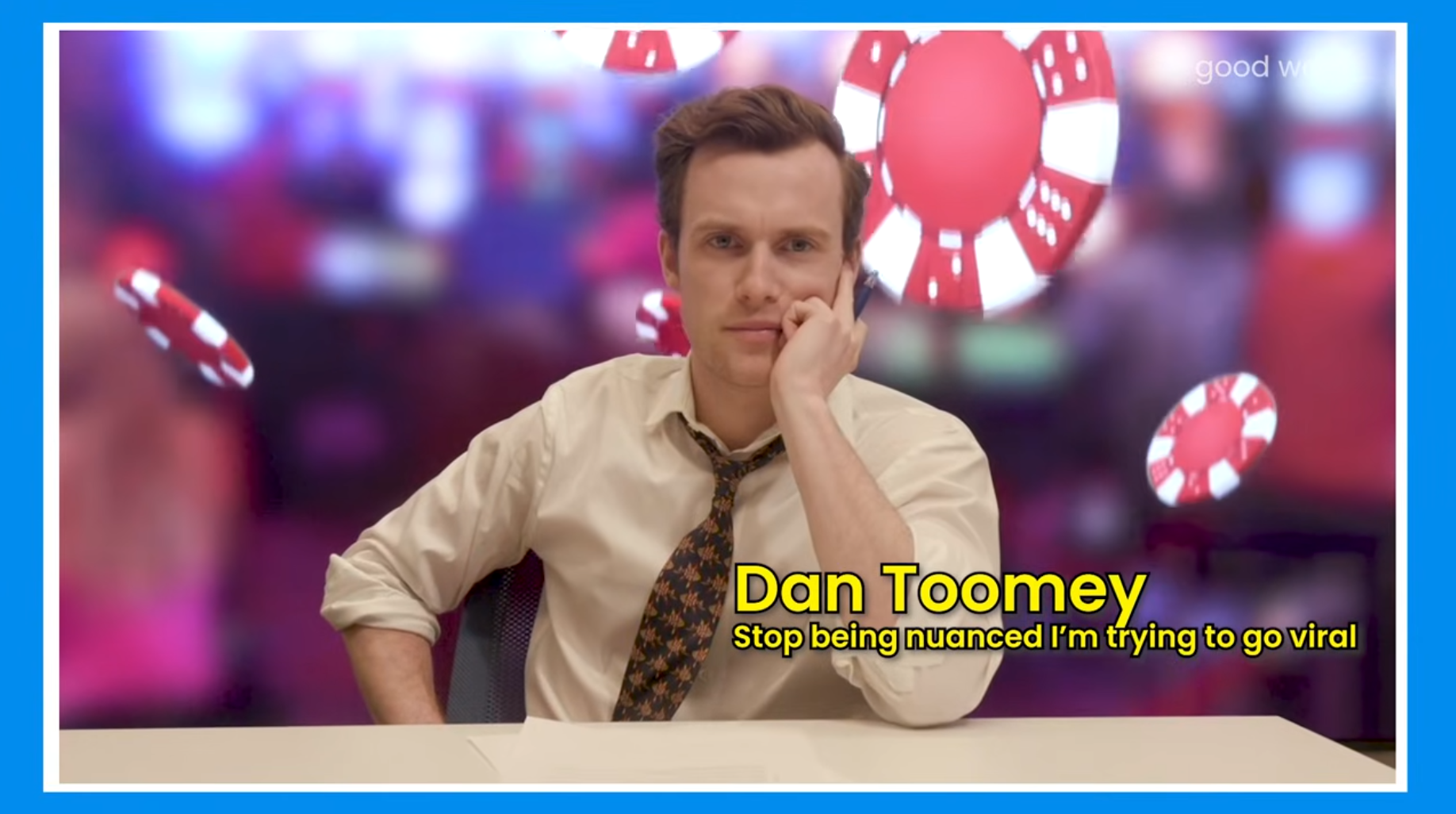
False narratives get the clicks and impact stocks because they're entertaining and persuading. We are willing to sit still and listen to the stories that are novel and gripping. 14 years ago Elon said we would land people on Mars in 10 years. (15-20 years in the worst-case).
including caveats all the time makes articles too awkward to read and buries your actual point
No one finds being moderate sexy.
The boring parts of software
The engineers that have the largest impact are the ones that read the most documentation. Getting through software specs is tough, they're not filled with fluffy prose and they're often dense and technical, but nothing delivers value like saying: "We don't need to do that work, that feature already exists in the API".
Similarly, the largest mistakes I've seen made in software come from conclusions being made too quickly after reading a single page of documentation. Engineers also avoid reading documentation by jumping on a band wagon of agreement without verification.
This extends to how reactionary takes tend to mold their opinions. Life is easier when someone does the work for you. If things go belly up, hey that wasn't my misinterpretation.
Where's it shifting?
This doesn't just apply to engineer's, Steve Eisman had this to say about the finance industry in 2008, but this applies to everyone.
I think one of the hardest things for all human beings, me too, to deal with our paradigm shifts. You know, you exist in a paradigm. It's been around from a very, very long time. Your whole career is based on that paradigm. you've made a lot of money in that paradigm and then it turns out that the paradigm is either changing because of technology or maybe the paradigm was actually wrong because it was based on continuously increasing leverage which is what the financial services industry's paradigm was based on human beings have tremendously difficult time dealing with paradigm shifts. Tremendous.
It's like a nightmare. They don't want to deal with it.
- Steve Eisman A.k.a Steve Carell in The Big Short
r/ExperiencedDevs is an echo chamber degrading Ai slop and crafting existential dread in the industry. They assert that Ai can never be as detailed or accurate as they are when it comes to writing code, at the same time they're shaking in their boots about the future of their industry. When there's commentary on the benefits of AI these comments tend to be downvoted or deleted and the blame is put on automated bots making up pro-ai agitprop.
Software engineers tend to be defensive when it comes to generative code and state that most of their job wasn't code to begin with.1 These engineers aren't out of the "Ai makes mistakes" phase or they're moving goal post to take the target off their back.
The latest cohort of uni students are winning hack-a-thons without knowing how their applications works. r/ExperiencedDevs needs to come to terms with the unknown and as long as this industry has been around we've never actually known how projects work in their entirety. We've never read every line of code in our dependencies, not knowing how something works and being able to make contributions is not a new phenomenon. Those that have succeeded in this industry can wade through the unknown and that will continue to be the case.
It's normal to have strong feelings about the grads picking something up in a short amount of time that may have taken you longer to hone in on. It's the classic "back in my day" reaction.
Extremes
Unfortunately avoiding nuance leads us to extremes.
The truth is; software engineering looks different and requires different skills at different stages of the business and stack. These complaints might just be a misalignment with the business.
Ousterhout describes in his book "A Philosophy of Software Design" the difference between strategic coding and tactical coding. Where tactical coding relies on hacks to get the job done and strategic coding has a more long term view on the code base. He vouches that software should be done strategically but I believe we need to pick our battles.
There are some entities and functions that are core to engineering companies, but they become core at different times and we should make an attempt to recognise when this change occurs.
It is nice to pretend that your code is an integral part to the business's existence. The truth is a project is always initially an experiment and over time it is rewritten to more accurate specification as we learn and the business learns. Importance is discovered. Your first attempt will be done when you know the least about the topic.
Eventually it might become a core service to many teams within the company and at that point it's worth getting serious about engineering practices. Front loading your engineering standards is making your experimentation more expensive.
If you're treating every project like a personal flower garden you'll struggle to recognise when code is dead weight. Thank it for its cycles, praise it for the outage it caused, the war story and what you have learnt. Then delete it.
Software is about discovery. Code generation enables us to prototype and discover how things work. Prototype for your own education not just for the customer. The pace of learning has increased and we can discover and experiment quicker than ever.
-
Like I did in "Software is planning" ↩